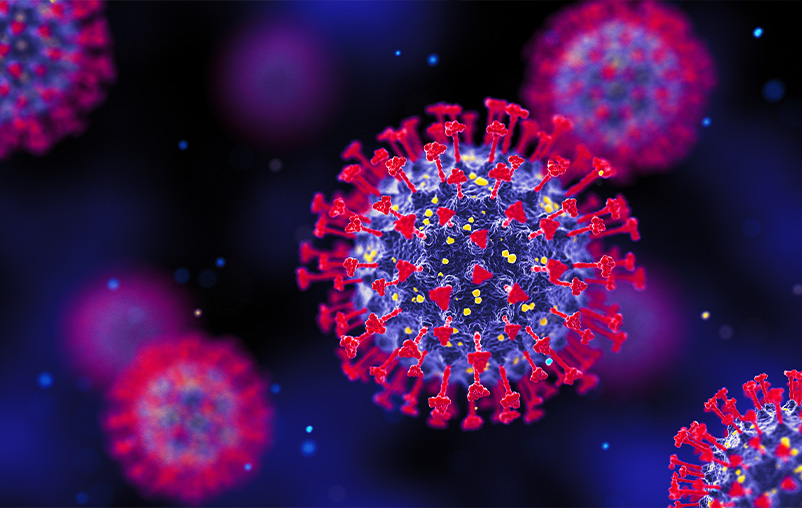

This time of year, viruses like RSV, flu and rhinovirus/enterovirus affect our kids.
It's possible that a child could be sick with multiple viruses at once. Their symptoms from one illness may not have been completely resolved before they start to have symptoms from another virus.
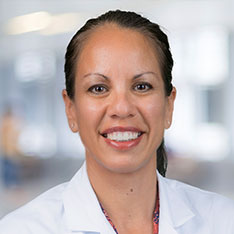
Dr. Mandie Tibball Svatek, a pediatric hospitalist at University Health, answers common questions from parents about protecting kids from illness.
How Normal Is it for a Child to Keep Getting Sick in the Winter?
“It is very common for children to have repeated illnesses during the winter as there are several viruses being passed around within the community, especially in schools,” Dr. Tibball Svatek said. “Currently in San Antonio, we are seeing an increase in the number of individuals who test positive for including flu, rhinovirus, enterovirus and adenovirus.”
Oftentimes, these viruses cause mild cough, congestion and nausea or vomiting and will resolve on their own. But sometimes, children get very sick and need care in a hospital setting.
“We as pediatric hospitalists routinely take care of infants and children with RSV, COVID-19 and the flu, as well as other viruses,” Dr. Tibball Svatek said.
“University Health clinic doctors also work hard to care for these children and provide best advice for parents on when to bring them to the hospital.”
Can my child get the same virus twice?
If there are different variants of the virus in the community — such as the flu — there is the potential to get repeat infections.
It’s not unusual for a child to start daycare and develop 8-12 viral respiratory infections within that first year. As a child’s immune system develops, the number of infections will usually decrease with time.
inline CTA Box
What Are the Top Illnesses that May Impact My Child During the Winter?
Flu
If your child has such as fever, cough, congestion, headache, muscle aches and fatigue, they should be tested within the first 48 hours of symptom onset.
Their pediatrician may decide to start a medication such as Tamiflu (generic oseltamivir) to help shorten the duration of symptoms.
COVID-19
A parent may test their child for COVID-19 to get the proper treatment or to prevent the spread of disease.
Children aged 12 years and older with risk factors for severe illness can receive treatment to lessen their symptoms and shorten the time they are sick. Treatment should begin within a few days of when your child’s symptoms begin. Please talk with your doctor to see if your child is at higher risk of severe illness.
If your child is younger than 5, they may also be at risk of severe illness. Intravenous therapy with remdesivir may be a possible treatment option if your child is hospitalized with symptoms.
RSV
Infants under 6 months are at high risk for severe disease with RSV. To prevent severe RSV disease, a pregnant mother at 32-36 weeks can receive the maternal RSV vaccination Abrysvo.
“The new RSV vaccine has helped with significantly decreasing the number of infants admitted to the hospital for bronchiolitis,” Dr. Tibball Svatek said.
Parents may also choose to vaccinate their infants younger than 8 months with nirsevimab to protect them from severe illness. Your child’s doctor can also administer nirsevimab for children 8 to 19 months who may be at risk for severe RSV illness.
What Is RSV Season?
“There are no typical RSV seasons,” Dr. Tibball Svatek said. “Some seasons start in September while some may not pick up until December or January. In the past, RSV affected infants and children from about mid-October through May, but after COVID-19, this changed. We are now seeing cases during the summertime.”
Is it important to know which virus they have?
Unless your child has severe symptoms, there is usually no need to get them tested or know which virus they have. If your child has mild cold symptoms, “and meet the classic findings for these illnesses, there is no need to identify which virus is causing these problems,” Dr. Svatek said.
However, Dr. Tibball Svatek recommends getting your child tested for the flu if they have more severe symptoms, such as:
- Muscle pain
- Fatigue
- Fever
“It is worth testing for the flu in the first 48 hours because there are medications available to lessen the symptoms and length of time they are sick,” Dr. Tibball Svatek said.
If one of my children is sick, how do I prevent others in the household from getting the virus as well?
It may be difficult to prevent the spread of the virus to others in your house, but it’s especially important to have a plan to protect young infants, older individuals and those who may have health problems that can be worsened by an illness.
Tips to prevent the spread of illness
- Practice good hand hygiene
- Disinfect surfaces and common areas
- Encourage mask wearing
- Separate individuals who are susceptible to illness from those who are sick
How to Boost a Child’s Immune System in the Winter
Vaccines such as the COVID-19 vaccine and flu vaccine can protect against illness and shorten the duration of symptoms. Keeping your child up to date on all vaccines is also extremely important to help protect your child from vaccine-preventable diseases.
Eating a well-balanced diet is also important to keep the body healthy.
Ask your pediatrician for guidance about testing and treatments for your child. Your pediatrician can also provide recommendations on when your child can to return to school and extracurricular activities.
Once they are sick, what’s the best way to quickly flush the virus from their system?
When Should I Take My Child to the Emergency Department?
Take your child to the emergency room if they have symptoms such as:
- Difficulty breathing
- Not being able to tolerate oral intake
- Fever that does not resolve after five days or is getting worse
- Change in mental status
When Can I Send My Child Back to School After They’ve Been Sick?
Many schools have their own guidelines for returning to school, so you should call and ask if you aren’t sure. Typically, a child should be fever-free for 24 hours and not have symptoms like vomiting, diarrhea, mouth sores or rashes.
Your child may still have a cough and congestion, but if the other symptoms have resolved, they should be clear to return to school.
Should kids wear masks to avoid getting flu and other respiratory infections?
Masking is an option for kids age 2 and older, especially when viruses like the flu or COVID-19 are spreading.
You may also consider mask wearing for children who have a weakened immune system and to protect other family members that may be at risk in the household.
Pediatric Primary Care at University Health
You will find compassionate pediatric primary care for kids of all ages at University Health.
View our map of pediatric primary care locations to see which one is in your neighborhood or school district.
Telemedicine Appointments for Kids
If your schedule doesn’t allow you to bring your child into one of our clinics, we offer after-hours telemedicine appointments for pediatric primary care. Appointments are available Mondary-Friday, 6 p.m.-9 p.m. Call 210-644-3209 for more information.