
Sports help kids stay active, learn teamwork and have fun. They can also cause injuries. The good news is that many pediatric sports injuries can be prevented.
Wondering how to help keep your child safe on the court or field? Here’s what parents should know about pediatric sports injuries.
What Are the Most Common Sports Injuries in Kids?
Sports injuries fall into two groups: acute and chronic. Acute injuries happen suddenly during practice, a workout or a game. Chronic injuries happen slowly over time when a child uses the same body part too much.
Common sports injuries in kids include:
- Bruises
- Concussions
- Dislocations
- Fractures
- Ligament tears
- Rotator cuff injuries
- Sprains
- Strains
Bruises, sprains and strains are common acute injuries in kids. They often happen because of movement or contact during sports. But not all injuries happen at once. About half of pediatric sports injuries are chronic injuries caused by overuse.
Kids also have a unique risk: growth plate injuries. Growth plates are soft areas of cartilage near the ends of long bones. These areas help bones grow as children develop. A movement that may cause an ankle sprain in an adult could cause a growth plate fracture in a child.
What Sports Have the Highest Risk of Injury?
Any sport can lead to injury, but some sports have a higher risk than others. According to the National Safety Council, basketball and football caused the most sports-related injuries that led to emergency room visits in 2024.
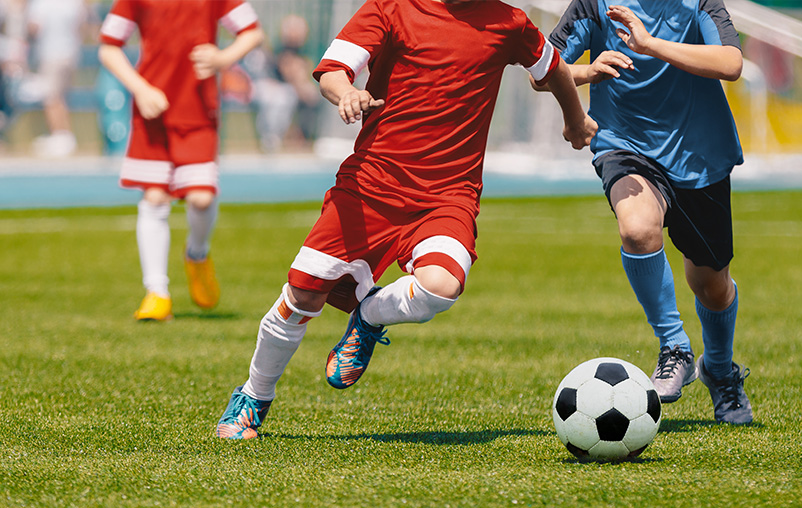
About 385,777 people in the United States went to the emergency room for a basketball injury. Another 318,243 people suffered a football injury. Soccer also caused many injuries, leading to more than 265,000 emergency room visits.
Some sports also have a higher risk of chronic injuries. These include sports that use the same movements again and again, such as baseball, softball, gymnastics, cheerleading, tennis, golf and volleyball.
How Pediatric Sports Injuries Can Be Avoided
Sports injuries are common in kids, but many can be prevented. According to the Centers for Disease Control and Prevention, more than half of pediatric sports injuries are preventable.
Kids, parents and coaches can work together to lower the risk of injury. Start by scheduling a sports physical before each sports season. This exam helps make sure your child is healthy enough to play.
These tips can also help:
- Make sure your child warms up before practices and games.
- Encourage your child to drink water before, during and after sports.
- Have your child wear the right safety gear, such as mouth guards, eye protection, pads and a helmet.
- Teach your child not to play through pain.
- Make sure your child understands and follows the rules of the game.
- Teach kids the right form for sports movements, such as tackling or heading a soccer ball.
You can also help lower your child’s risk of overuse injuries. One way is to have your child try different sports and activities. This helps build strength in different parts of the body rather than overusing the same muscles and joints.
Depending on the sport and position, you may need to work with the coach to limit activity. For example, softball and baseball pitchers may need limits on how many pitches they throw. Tennis players may need limits on how many serves they do.
When to See a Doctor for Sports Injuries in Children
Many sports injuries in kids can be treated at home. For a minor bruise or sprain, you can try the RICE method:
- Rest
- Ice
- Compress
- Elevate
If these steps do not help, or if the injury is severe or gets worse, seek medical care. You can always visit urgent care for a diagnosis and treatment.
Some symptoms are signs that your child needs emergency care. Go to the pediatric emergency room if bleeding will not stop, your child has trouble putting weight on the injured area, you can see a broken bone through the skin or your child has any head injury.
During the visit, the doctor will ask how the injury happened and what symptoms your child has. The doctor will also do a physical exam and may order tests, such as an X-ray or MRI, to confirm the diagnosis.
How Are Sports Injuries Treated?
Many sports injuries get better with the RICE method. A doctor may also suggest an over-the-counter pain reliever to help with pain and swelling. More serious injuries may need a sling, splint, brace or cast. These help keep the injured body part still while it heals.
Some injuries may need surgery, such as a broken bone or ligament tear. In some cases, a doctor may use arthroscopic surgery. This lets the doctor look at the injury and make repairs if needed.
Because concussions affect the brain, treatment often includes strict limits on activity. This may include less screen time and avoiding activities that take more than light effort. Concussion symptoms can make it hard to do regular activities at home and school. Learn more about what to do after a concussion, including instructions and recovery tips.
How Long Is the Healing Process?
Healing time depends on the injury. A bruise may heal in a few days or weeks. Recovery after surgery for an ACL tear may take many months. Most children with a concussion feel better within a couple of weeks. For some children, symptoms last a month or longer. Short-term changes to daily activities can help them return to a regular routine more quickly.
In general, minor injuries heal faster. Serious injuries may take weeks, months or even years to fully heal and recover.
Follow the doctor’s instructions during healing. Even after pain improves, your child may need physical therapy or other care before returning to sports.
What Is the Risk of Returning to Play Too Early?
Your young athlete may want to return to sports right away after an injury. But it is important to be careful. Returning before the body is fully healed can make another injury more likely.
If your child puts extra weight or stress on other body parts to protect the injury, it can also raise the risk of another injury or long-term pain.
That’s why it is best for your child to return to activity slowly and safely after an injury.
Comprehensive Pediatric Care at University Health
From minor injuries to serious emergencies, University Health offers a wide range of care for children and teens. We are home to the only Level I pediatric trauma center in South Texas. This means our team is ready to care for children with serious or life-threatening injuries.
Our growing orthopedic program can also help children heal from sports injuries and return to the activities they enjoy.
Injury Prevention Resources
University Health is the lead partner of Safe Kids San Antonio. We work alongside this advocacy group to teach parents and other caregivers in our community how to safely care for children.
Find more resources about preventing sports injuries through our partnership.
Our ExpressMed urgent care clinics are open seven days a week.