
Lung cancer remains one of the nation’s most serious health challenges. Every two minutes, someone in the U.S. is diagnosed with the disease, which continues to be the leading cause of cancer deaths. In Texas, the burden is significant as well.
While Texas has a lower-than-average rate of new lung cancer diagnoses, screening rates among high-risk Texans remain among the lowest in the country, with just 12% receiving recommended annual screening. Because early detection can save lives, understanding your risk factors and recognizing symptoms is more important than ever.
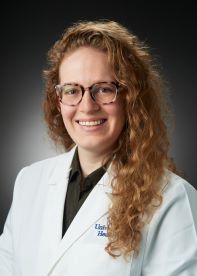
Wondering whether you’re at risk of developing lung cancer and how to recognize symptoms? Dr. Megan Hughes, a pulmonary disease specialist with University Health, breaks down everything you should know.
What Is Lung Cancer?
Lung cancer is a type of cancer that begins in the lungs when abnormal cells grow uncontrollably. There are two primary categories of lung cancer: non-small cell lung cancer (NSCLC), which accounts for most cases, and small cell lung cancer (SCLC), which tends to grow and spread more quickly.
Non-small cell lung cancer includes several subtypes:
- Adenocarcinoma
- Squamous cell carcinoma
- Large cell carcinoma
While less common, small cell lung cancer is often diagnosed at a later stage because it spreads rapidly. Survival rates vary depending on the type of lung cancer, how early it is diagnosed and a person's overall health.
There is good news: Advances in screening, diagnosis and treatment continue to improve outcomes, especially when lung cancer is detected before it spreads.
Lung Cancer Symptoms
Early-stage lung cancer may not cause any noticeable symptoms. In fact, many people are diagnosed after imaging is performed for another medical condition.
As the disease progresses, symptoms may become more noticeable. It’s recommended that if you experience persistent respiratory symptoms or symptoms that worsen over time, talk to your primary care provider.
Early Lung Cancer Symptoms
The earliest signs of lung cancer can be subtle and are often mistaken for less serious conditions such as allergies, bronchitis or asthma.
Early lung cancer symptoms may include:
- A persistent cough that doesn't go away
- Shortness of breath
- Wheezing
- Hoarseness
- Fatigue
- Frequent respiratory infections
Because these symptoms are common in many respiratory illnesses, it is important to monitor symptoms that persist or worsen.
Symptoms of Lung Cancer Progression
As lung cancer grows, symptoms often become more severe and noticeable. Symptoms of progressing lung cancer may include:
- Chest pain
- A cough that worsens over time
- Coughing up blood or bloody mucus
- Unexplained weight loss
- Loss of appetite
- Swollen lymph nodes in the chest
- Increasing shortness of breath
Symptoms of Lung Cancer That Has Spread
When lung cancer spreads beyond the lungs, it may cause symptoms in other parts of the body, including:
- Bone pain
- Headaches
- Blood clots
- Fractures
- Changes in appetite
These symptoms do not necessarily mean you have cancer, but they should be evaluated by a medical professional.
Diagnosing Lung Cancer
Lung cancer is frequently discovered during testing for another condition, such as imaging ordered for a respiratory infection or persistent cough.
If lung cancer is suspected, your provider may recommend additional testing to confirm a diagnosis and determine whether cancer has spread.
Physical Exam
Your provider will review your symptoms, medical history, family history and risk factors, including smoking history and potential exposure to carcinogens.
Imaging Tests
Imaging tests help physicians identify suspicious lung nodules or masses. Common tests include:
- Chest X-rays
- Computed tomography (CT) scans
- Positron emission tomography (PET) scans
Although most lung nodules are not cancerous, additional testing may be necessary to determine whether a nodule requires treatment.
Biopsy
A biopsy allows physicians to collect tissue samples and determine whether cancer is present. Biopsy results also help identify the type of lung cancer and its stage.
At University Health, advanced technology such as ION robotic-assisted bronchoscopy helps physicians reach small or difficult-to-access lung nodules with greater precision. This innovative approach can support earlier diagnosis and treatment planning.
Lung Cancer Treatment Options
The best treatment for lung cancer depends on the type of cancer, its stage and your overall health. Treatment may involve a single therapy or a combination of therapies.
Non-Small Cell Lung Cancer
Treatment options for non-small cell lung cancer may include:
- Surgery
- Chemotherapy
- Radiation therapy
- Immunotherapy
- Targeted therapy
Many patients receive a combination of treatments to achieve the best possible outcome.
Small Cell Lung Cancer
Small cell lung cancer is typically treated with chemotherapy and radiation therapy. Depending on the patient's situation, immunotherapy may also be recommended.
Clinical Trials
Clinical trials may provide access to promising new therapies and treatment approaches. Your care team can help determine whether a clinical trial may be appropriate for your diagnosis and treatment goals.
Ways to Prevent Lung Cancer
Although not all cases of lung cancer can be prevented, there are important steps you can take to reduce your risk and improve the likelihood of early detection.
Quit Smoking
Smoking remains the leading risk factor for lung cancer. Quitting smoking can significantly reduce your risk, even if you have smoked for many years.
You can work with your medical provider to find a smoking cessation plan that works for you.
Exposure to Carcinogens
Exposure to substances such as radon, asbestos, secondhand smoke and certain workplace chemicals can increase the risk of lung cancer.
Following workplace safety guidelines and minimizing exposure to known carcinogens can help protect your lung health.
Lung Cancer Screening at University Health
Annual lung cancer screening is recommended for people who:
- Are 50 to 80 years old
- Currently smoke or formerly smoked
- Have at least a 20 pack-year smoking history
Screening uses a low-dose CT scan to identify lung cancer before symptoms appear. Detecting lung cancer in its earliest stages can improve treatment options and outcomes.
If you meet the screening criteria, ask your provider whether lung cancer screening at University Health is right for you.
Dr. Megan Hughes and our pulmonary care team provide evaluation, screening and advanced diagnostic care for patients with lung health concerns.
To learn more about robotic-assisted bronchoscopy or connect with the team, call 210-644-4350.