

Reducing deaths at the Bexar County jail begins with treatment in the community
By Ed Banos,
For the Express-News
On behalf of the mission-focused team at University Health, I want to thank the San Antonio Express-News Editorial Board for its powerful “Jailed to death” series and for bringing together community voices to advocate for individuals and families affected by mental illness across Bexar County.
Behind every statistic is a person — a neighbor, a parent, a son or daughter — struggling to find their way through a mental health crisis.
Here in San Antonio and across the nation, the rising number of people diagnosed with mental health conditions is placing extraordinary strain on our health care system. That strain deepens when those in crisis are routed into the criminal justice system instead of receiving timely care. The result is a cycle that impacts not just individuals but entire families and communities.
There is no single cause, and there is no simple solution. But one truth is clear: If we want different outcomes, we must start earlier.
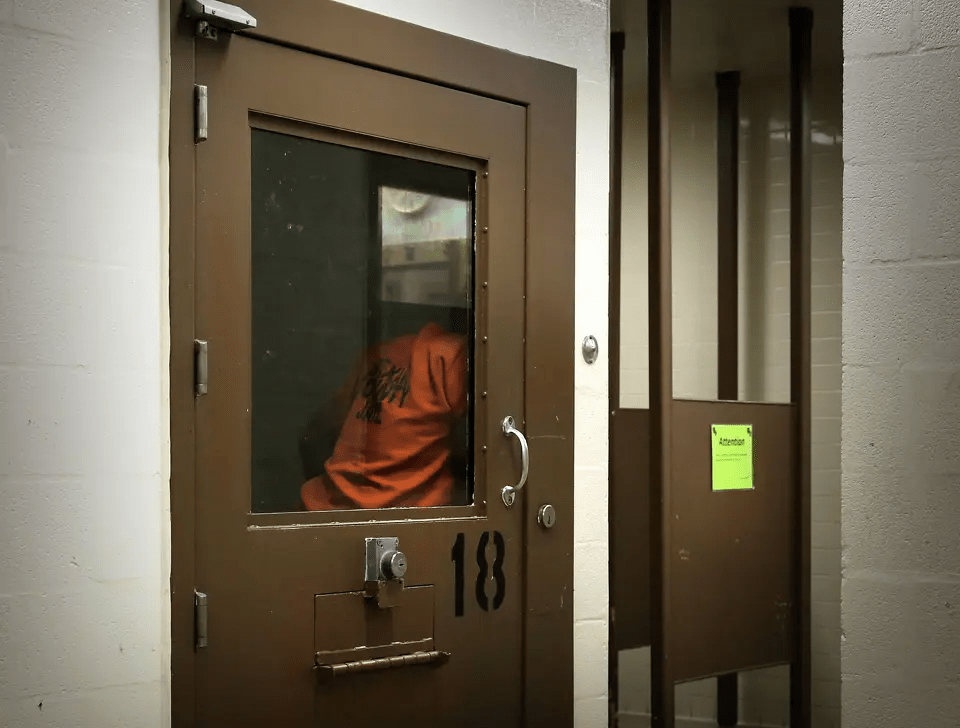
Much of the recent conversation has focused on expanding services within the correctional system. While those services are necessary, they are not sufficient. At University Health, the public hospital district for Bexar County, our mission is to improve the health of the entire community. That means looking upstream — addressing mental health needs before they escalate into emergencies, hospitalizations or arrests.
Care should begin the moment someone shows signs of distress. And access to that care should be affordable, timely and close to home. Our most vulnerable neighbors must be met with support instead of crisis. When treatment starts early, the path to recovery becomes more likely — and the odds of incarceration or hospitalization decline. That must be our shared goal.
Reaching that goal requires commitment, coordination and investment across our entire community. Fortunately, in Bexar County, that work is already underway.
In 2015, in response to rising mental health emergency room utilization and increasing 911 calls from Haven for Hope, the Southwest Texas Crisis Collaborative was formed through the leadership of Southwest Texas Regional Advisory Council.
This collaborative brings together hospitals, behavioral health providers, law enforcement, local government and community advocates. Together, we make data-driven decisions focused on what is best for patients while reducing the burden on emergency services and the criminal justice system.
And we are seeing progress.
We have reduced mental health visits at local ERs, expanded funding to open more mental health hospital beds for uninsured patients, and created a coordinated “MedCom” system that allows law enforcement officers to transport detained, but not charged, individuals in crisis directly to an appropriate mental health hospital instead of taking them to jail.
At University Health, where I serve as president and CEO, we are also making significant investments to strengthen access and continuity of care. In 2025, we provided more than $646 million in mental and physical health services for those who are uninsured or underinsured. Because the most expensive — and often least effective — care occurs in emergency rooms and hospitals, we are focused on expanding outpatient services closer to where people live.
This includes the opening of new mental health clinics, such as our Vida Clinic on the South Side, serving both adults and children. We are also investing in the future by training the next generation of psychiatric physicians to meet the growing demand.
At the same time, we recognize the reality within our justice system. Unlike many public hospital systems in Texas, University Health provides both physical and behavioral health care to individuals in the Bexar County Adult Detention Center and juvenile facilities.
Our team of more than 300 dedicated professionals — including psychiatrists, psychologists, nurses, social workers and addiction specialists — delivers compassionate care in challenging environments.
In 2024, we implemented a medication-assisted treatment program for individuals experiencing opioid withdrawal; today, about 240 inmates are receiving that care. We have also streamlined intake mental health assessments, improving both efficiency and continuity of care.
These efforts represent a direct annual investment of more than $31 million, with an additional $100 million in costs when incarcerated individuals require care outside the jail system.
But let us be clear: This is not where care should begin, and that care should not end when a person is released from custody.
In collaboration with our Southwest Texas Crisis Collaborative partners — and echoing the voices raised in this editorial series — we believe the jail should not be the largest provider of mental health services in our community. Our shared responsibility is to ensure individuals receive the care they need before they ever enter the criminal justice system.
That means coming together as a community to invest in early intervention, community-based care and systems that meet people where they are, including:
- Outpatient treatment centers.
- Deflection and diversion programs.
- Crisis stabilization units.
- Community-based behavioral health clinics.
- Stable housing support.
- Medication access.
- Coordinated outpatient follow-up.
As we prepare for the upcoming Texas legislative session, we are seeking support from all of these partners and stakeholders in advocating for state resources to support our efforts. This includes the potential for our community to take possession of the former San Antonio State Hospital building and surrounding land for some of the purposes listed above. This property is now largely unused following the 2024 opening of a new state-owned psychiatric facility on this campus.
We look forward to continued collaboration to develop a comprehensive legislative agenda and moving forward with data-driven, sustainable ways to strengthen our system of care and ensure those in need receive appropriate care at the right time and in the right setting.
Ed Banos is president and CEO of University Health, which is Bexar County’s public hospital district.
